Withholding Rent for Housing Disrepair

Posted on: 2025-11-28
By: Sarah Thompson
Every year, countless tenants face the daunting issue of housing disrepair, often wondering if withholding rent is their best course of action. As you navigate this complex terrain, understanding your rights and obligations can make all the difference. Here’s what you need to know to protect yourself and ensure a safe living environment.
What You Will Learn
- Withholding rent may be justified in cases of significant housing disrepair, but it comes with risks.
- Documenting communications with your landlord is crucial for asserting your rights.
- Understanding landlord responsibilities under the Housing Act can empower you to take action.
- The consequences of withholding rent without legal grounds can include eviction and damage to your credit rating.
- Seeking legal advice before making decisions about withholding rent is always advisable.
- Local authorities and tenant unions can provide valuable support and resources for tenants in dispute.
Your Rights and Obligations as a Tenant
Understanding your rights and obligations as a tenant can significantly impact your living situation and your approach to addressing housing disrepair. For a comprehensive guide on tenant protections, consider reading our article on understanding housing disrepair claims.
Right to a Habitable Home
You have the right to live in a property that meets health and safety standards.
Right to Report Disrepair
You can report issues to your landlord and local authorities if necessary.
Possible Rent Repayment Orders
In cases of significant disrepair, you might be eligible for a rent repayment order.
Seek Legal Advice
Consulting with professionals can provide clarity on your options.
Understanding the Legal Framework Around Withholding Rent
When it comes to housing disrepair, many tenants find themselves grappling with the idea of withholding rent. But is it legally justifiable? In this section, we will explore the laws surrounding rent withholding, emphasizing your rights and obligations as a tenant. This understanding is crucial for navigating your options without inadvertently putting yourself at risk.
As a tenant, it's important to know that while you have the right to live in a safe and habitable property, reacting with rent withholding can escalate the situation. I often encourage tenants to seek clarity on their legal framework before taking such steps. Let's delve into the intricacies!

Is Withholding Rent Legally Justifiable in Housing Disrepair Cases?
Withholding rent is a serious action that should not be taken lightly. The legal justifiability hinges on whether the disrepair is significant enough to breach your landlord's obligations. If your living conditions are severely impacted, you may have grounds to withhold rent, but this must be approached carefully.
- Assess the severity of the disrepair.
- Document all communication with your landlord regarding the issues.
- Seek legal advice before making a decision.
Understanding these key points can help you avoid potential pitfalls. If you decide to withhold rent without legal grounds, you might find yourself facing repercussions.
Clarifying Tenant Rights and Obligations
As a tenant, your primary right is to live in a property that meets health and safety standards. Under UK law, landlords have a legal duty to ensure their properties are well-maintained. If you find yourself facing disrepair issues, it's essential to clarify your rights and obligations. For more details on landlord responsibilities, refer to our article on landlord responsibilities for property repairs.
Moreover, keeping a record of any disrepair issues and your landlord's responses can empower you when asserting your rights. This documentation serves as a protective measure should legal disputes arise.
The Consequences of Withholding Rent Without Legal Grounds
Withholding rent without a valid legal basis can lead to serious consequences. For instance, landlords may initiate eviction proceedings against you, which can escalate your legal complications significantly. It's crucial to consider the implications of your actions before deciding to withhold rent.
Additionally, you might be liable for any unpaid rent, and this could affect your credit rating and future renting opportunities. It's a risk that often outweighs the potential benefits.
Landlord Responsibilities Under Housing Laws
Landlords have specific responsibilities outlined by various laws that govern rental properties. Understanding these duties can aid you in determining whether your landlord is in breach and if you have a valid case for withholding rent.
It's also helpful to know that as a tenant, you have the right to expect timely repairs and a resolution to any disrepair issues. If these responsibilities are not met, you may have grounds for action.
Key Legal Acts Governing Landlord Duties
Several key legal acts outline the responsibilities of landlords, including:
- The Housing Act 1988
- The Landlord and Tenant Act 1985
- The Environmental Protection Act 1990
These acts ensure that landlords maintain their properties to certain standards and provide tenants with necessary protections. Familiarizing yourself with these laws can empower you to advocate for your rights effectively.
Expectations for Safe and Habitable Properties
As a tenant, you have the right to a home that is safe and habitable. This includes basic necessities such as heating, hot water, and structural integrity. If your landlord fails to provide these essentials, it may justify your decision to pursue further action.
Understanding these expectations helps to set a clear standard for what you can rightfully expect from your rental property. Remember, you deserve a living space that prioritizes your health and safety!
Understanding Landlord Obligations Under the Housing Act
The Housing Act outlines clear obligations for landlords toward their tenants. This includes maintaining the property in a reasonable state, ensuring safety from hazards, and adhering to regulations on repairs. If your landlord isn't meeting these obligations, you may have grounds to address these issues. For advice on dealing with an unresponsive landlord, see our article on handling unresponsive landlord repairs.
It’s vital to keep these obligations in mind as you navigate your housing situation. Remember, if you're ever unsure, reaching out to a legal professional can help demystify your rights and options.
Pro Tip
Before deciding to withhold rent, always seek legal advice to understand the full implications and ensure that your actions are legally justified. Remember, documenting all communication with your landlord is crucial; it can protect your rights and strengthen your case should disputes arise.
Summarizing Key Points on Withholding Rent During Disrepair Disputes
When it comes to housing disrepair, understanding your rights as a tenant is crucial! While withholding rent might seem like a straightforward solution, it’s essential to approach this matter with caution. Your rights, as well as the potential consequences of your actions, can significantly impact your situation. Let’s break down some of the key points you should keep in mind when navigating this complex issue.
Your Rights as a Tenant and Possible Actions
As a tenant, it’s important to know that you have rights that protect you from unsafe living conditions. If your landlord fails to address urgent repairs, you may have legal justifications for taking action. Here are some important rights and possible actions you can consider:
- Right to a Habitable Home: Your landlord is obligated to provide a safe and liveable environment.
- Right to Report Disrepair: You can formally report issues to your landlord and, if necessary, to local authorities.
- Possible Rent Repayment Orders: In cases of significant disrepair, you might be eligible for a rent repayment order.
- Seek Legal Advice: Consulting with professionals can provide clarity on your options.
Remember, while taking action is important, it’s critical to document everything. This will serve as evidence should disputes arise later. Furthermore, communicating effectively with your landlord can often resolve issues without needing to escalate matters.
Final Thoughts: Navigating Housing Disrepair Responsibly
Navigating housing disrepair disputes can be daunting, but you don't have to face it alone! At Solicitors No Win No Fee, we emphasize the importance of understanding both your rights and responsibilities as a tenant. Before making any decisions, weigh the potential consequences of withholding rent against the benefits of pursuing other avenues for resolution.
Ultimately, the goal is to achieve a safe living environment without jeopardizing your rights. With the right information and support, you can effectively advocate for yourself while ensuring your legal standing remains intact.
Taking Action: Next Steps for Tenants in Disrepair Situations
Creating a Communication Checklist with Your Landlord
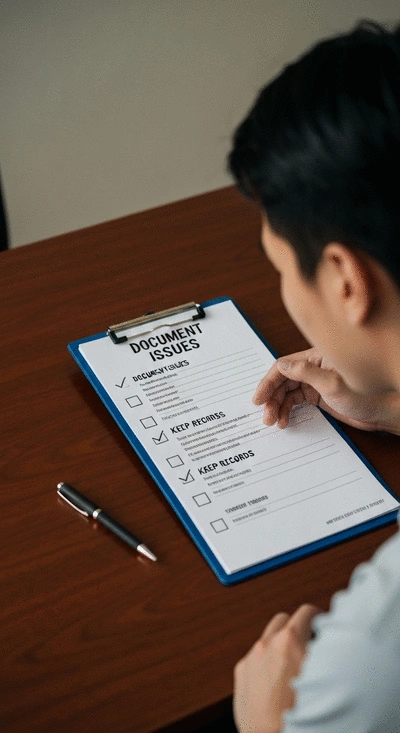
Effective communication can go a long way in resolving disputes related to housing disrepair. Here’s a simple checklist to help guide your conversations with your landlord:
- Document Issues: List specific repairs needed and any previous communications.
- Set Clear Expectations: Specify a timeline for when repairs should be completed.
- Keep Records: Maintain copies of emails, letters, and notes from conversations.
- Request Updates: Regularly check in on the status of repairs and express any ongoing concerns.
This checklist will not only help you stay organized but will also demonstrate your commitment to resolving issues amicably. It fosters a constructive dialogue, which is often the first step towards a solution.
Where to Find Additional Resources and Support
In addition to direct communication with your landlord, seeking external support can be invaluable. Here are some resources you might consider exploring:
- Local Authorities: They can provide guidance and assistance regarding tenant rights and responsibilities.
- Environmental Health Services: They can conduct inspections and enforce housing standards if necessary.
- Tenant Unions: Joining a tenant union can offer a support network and amplify your voice in negotiations.
- Legal Aid Services: These can provide free or low-cost legal advice tailored to your situation.
Connecting with these resources can empower you to take informed steps toward resolving housing disrepair disputes effectively. Remember, you don’t have to navigate this process alone—support is available!
Connecting with Local Authority and Environmental Health Services
If you believe your landlord is failing to meet their obligations, it may be time to involve local authorities. They have the power to enforce housing standards and can help you understand your rights. Environmental health services can also provide inspections, report on living conditions, and suggest further actions based on their findings. It’s essential to act decisively and seek assistance when needed—doing so can make a world of difference!
Frequently Asked Questions (FAQs)
- Q1: Is it always justifiable to withhold rent for housing disrepair?
- A1: No, withholding rent is a serious step and is only legally justifiable if the disrepair is significant enough to breach your landlord's obligations and severely impact your living conditions. It should always be approached with caution and legal advice.
- Q2: What are the potential consequences of withholding rent without legal grounds?
- A2: Withholding rent without a valid legal basis can lead to severe consequences, including eviction proceedings, liability for unpaid rent, and a negative impact on your credit rating and future renting opportunities.
- Q3: What are a landlord's main responsibilities under housing laws?
- A3: Landlords are legally obligated to provide a safe and habitable home that meets health and safety standards. This includes maintaining the property in a reasonable state, ensuring safety from hazards, and addressing repairs in a timely manner as outlined by acts like the Housing Act 1988 and the Landlord and Tenant Act 1985.
- Q4: What should I do before deciding to withhold rent?
- A4: Before considering withholding rent, you should assess the severity of the disrepair, document all communications with your landlord regarding the issues, and most importantly, seek legal advice to understand the full implications and ensure your actions are legally justified.
- Q5: Where can tenants find additional support for housing disrepair issues?
- A5: Tenants can find support from local authorities, environmental health services (for inspections and enforcement), tenant unions, and legal aid services, which offer free or low-cost legal advice.
Recap of Key Points
Here is a quick recap of the important points discussed in the article:
- Know Your Rights: As a tenant, you have the right to a safe and habitable home, and landlords are obligated to maintain their properties.
- Document Everything: Keep detailed records of all communication with your landlord regarding disrepair issues.
- Seek Legal Advice: Before taking actions such as withholding rent, consult with a legal professional to understand your options and potential consequences.
- Understand Legal Justification: Withholding rent can be legally justifiable only if the disrepair significantly breaches the landlord's obligations.
- Be Aware of Consequences: Withholding rent without legal grounds can lead to eviction and affect your credit rating.
- Utilize Resources: Explore local authorities, tenant unions, and legal aid services for additional support and guidance.
 Are you aware of the importance of confidentiality clauses in employment agreements? Understanding t
 Understanding future care costs in accident claims is essential. With that in mind, here are key ins
 Did you know that many tenants are unaware of their rights regarding housing disrepair? Understandin