Handling Unresponsive Landlord Repairs

Posted on: 2025-11-21
By: Sarah Thompson
When it comes to tenant rights, being informed can make all the difference. Understanding how to navigate repair issues can empower you to ensure your living environment remains safe and habitable. Here’s what you will uncover about your rights as a tenant.
What You Will Learn
- The concept of habitability means landlords must maintain health and safety standards in rental properties.
- Tenants have specific legal rights regarding necessary repairs, especially those affecting health and safety.
- Landlords are obligated under housing law to ensure properties remain habitable and respond to repair requests promptly.
- Utilizing digital tools can help tenants track repair requests and maintain organized communication with landlords.
- Mediation services can provide alternative resolutions when direct communication with landlords fails.
- Connecting with renters' advocacy groups can offer valuable support and resources for navigating tenant rights.
Your Rights as a Tenant Regarding Repairs
Understanding your rights is crucial when landlords neglect repair requests. Below are key areas of tenant rights that can affect habitability and safety in your rental property.
Habitability Standards
- ✓ Adequate heating and cooling systems
- ✓ Working plumbing and electrical systems
- ✓ Protection from water leaks and mold growth
- ✓ Proper waste disposal facilities
Legal Rights for Necessary Repairs
- ✓ Emergency repair requests (e.g., plumbing leaks)
- ✓ Fixing electrical issues posing fire risks
- ✓ Addressing health-affecting mold problems
Landlord Obligations
- ✓ Conduct regular maintenance checks
- ✓ Respond to repair requests timely
- ✓ Provide safe and secure premises
Actions for Tenants
Document all repairs and landlord communications to strengthen your case if necessary.
Understanding Your Rights as a Tenant When Landlords Ignore Repair Requests
As a tenant, it’s crucial to understand your rights when it comes to repair requests. When landlords ignore these requests, it can lead to significant discomfort and even safety issues in your living environment. At Solicitors No Win No Fee, I aim to help you navigate these complex situations with confidence and clarity.
Knowing your rights is the first step in ensuring that your home remains a safe and habitable space. Let’s break down some essential aspects of your rights as a tenant when facing repair issues. For more detailed information, consider reading our guide on understanding housing disrepair claims.

The Importance of Habitability in Rental Agreements
The concept of habitability is central to your rights as a tenant. This means that your rental property must meet certain health and safety standards. If your landlord neglects repairs that affect these standards, you may have grounds for legal action.
- Adequate heating and cooling systems
- Working plumbing and electrical systems
- Protection from water leaks and mold growth
- Proper waste disposal facilities
It’s essential to document any issues related to habitability, as this will be vital when advocating for your rights. Remember, these standards are not just guidelines; they are legal obligations that landlords must fulfill.
Your Legal Rights for Necessary Repairs
When it comes to repairs, you have specific legal rights that protect you as a tenant. If a repair is necessary for your health or safety, your landlord is legally obligated to address it promptly. This includes but is not limited to:
- Responding to emergency repair requests, such as plumbing leaks
- Fixing electrical issues that pose a risk of fire
- Addressing mold problems that affect your health
Failing to meet these obligations can create a case for you to seek legal remedies. It’s essential to understand that you have the right to live in a property that is safe and well-maintained.
Landlord Obligations Under Housing Law
Landlords have specific obligations under housing law that they must adhere to. These include the responsibility to maintain the property and ensure it remains habitable. If a landlord fails to carry out necessary repairs, they may be in violation of these laws. Here are some key obligations:
- Conducting regular maintenance checks
- Responding to repair requests in a timely manner
- Providing safe and secure premises
If you find that your landlord is not fulfilling these obligations, it’s important to take action. Document your communication and keep records of any issues, as this information can serve as vital evidence if you need to escalate the matter. If you are experiencing issues with heating, you may be able to pursue compensation for heating issues.
Pro Tip
Did you know? Keeping a detailed log of your repair requests and landlord communications can significantly strengthen your case. Include dates, times, and the nature of each request. This documentation will be invaluable if you need to escalate the issue or seek legal remedies.
Taking Action: Your Next Steps as a Tenant
If you find yourself in a situation where your landlord is ignoring repair requests, it’s crucial to take decisive action. Understanding your rights as a tenant is the first step toward ensuring your living conditions are safe and habitable. Below, I’ll outline some practical steps you can take to advocate for yourself effectively.
One important avenue is utilizing digital tools to track your repair requests. These tools can help you maintain an organized record of all communications with your landlord. Being diligent in documenting these interactions strengthens your case if you need to take further action.
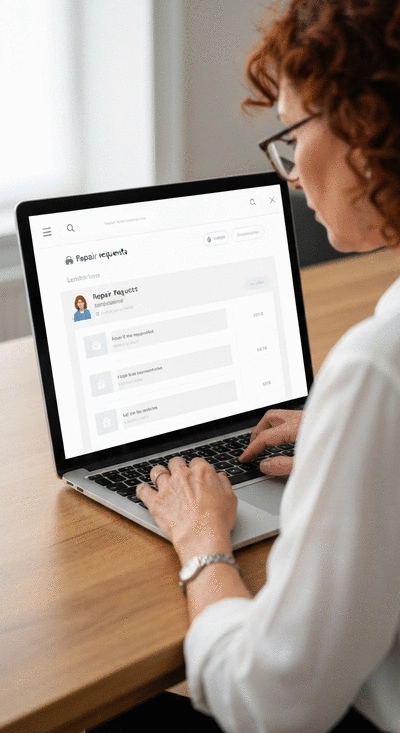
Utilizing Digital Tools to Track Repair Requests
In today’s digital age, tracking repair requests has never been easier! Here are some helpful tools you can use:
- Property Management Apps: Many landlords use apps that allow tenants to submit and track repair requests directly.
- Email and Cloud Storage: Create a dedicated folder in your email or a cloud storage service to save copies of all your correspondence regarding repairs.
- Tenant Communication Platforms: Consider using platforms specifically designed for tenant-landlord communication, which often include features for tracking issues and responses.
By leveraging these tools, you can ensure that you have a comprehensive record of your requests and the responses received, which can be invaluable should the situation escalate.
Accessing Mediation and Dispute Resolution Services
If direct communication with your landlord fails, you might consider mediation. This is a process where a neutral third party helps facilitate a resolution. Here are a few options:
- Local Mediation Services: Many communities offer mediation services specifically for tenant-landlord disputes.
- Legal Aid Organizations: Some organizations provide mediation as part of their services to assist tenants in conflict.
- Online Mediation Platforms: Various websites allow tenants and landlords to engage in mediation virtually.
Using mediation can often lead to a quicker and less confrontational resolution compared to legal proceedings. For guidance on legal pathways, including options like understanding no win no fee claims, consulting legal professionals can be beneficial.
Connecting with Renters' Advocacy Groups for Support
Finding support from others can make a significant difference in navigating your rights as a tenant. Here are some groups to consider:
- Local Tenant Unions: Many cities have tenant unions that advocate for renters' rights and can provide resources and support.
- Nonprofit Organizations: Look for nonprofits focused on housing rights; they often provide free legal resources and advice.
- Online Communities: Websites and forums can connect you with other tenants facing similar challenges, offering both advice and solidarity.
Connecting with these groups not only provides you with valuable information but also empowers you through shared experiences and collective action.
Frequently Asked Questions (FAQs)
- What does "habitability" mean for a rental property?
Habitability means that a rental property must meet certain health and safety standards to be fit for living. This includes adequate heating, working plumbing and electrical systems, protection from leaks and mold, and proper waste disposal. - What are my legal rights if my landlord ignores essential repair requests?
If a repair is necessary for your health or safety (e.g., plumbing leaks, electrical fire risks, mold), your landlord is legally obligated to address it promptly. Failure to do so can give you grounds for legal action. - How can I effectively document repair requests and communications with my landlord?
You can use digital tools like property management apps, email (saving copies in a dedicated folder), cloud storage for documents, and tenant-landlord communication platforms. Be sure to include dates, times, and the nature of each request and response. - What steps can I take if direct communication with my landlord about repairs fails?
If direct communication is unsuccessful, you can consider mediation services (local, legal aid, or online) to help facilitate a resolution with a neutral third party. - Where can I find support and resources for tenant rights?
You can connect with local tenant unions, nonprofit organizations focused on housing rights, and online communities or forums for advice, resources, and shared experiences.
Recap of Key Points
- Understand your rights as a tenant, including the importance of habitability and necessary repairs.
- Document any repair issues, as this evidence is crucial for advocating your rights effectively.
- Utilize digital tools like property management apps and email storage to track repair requests and communications with landlords.
- Consider mediation and dispute resolution services if direct communication with your landlord fails.
- Connect with renters' advocacy groups for support and resources related to tenant rights.
 Are you aware of the importance of confidentiality clauses in employment agreements? Understanding t
 Understanding future care costs in accident claims is essential. With that in mind, here are key ins
 Did you know that many tenants are unaware of their rights regarding housing disrepair? Understandin