Empower Your Claim Journey!

Unlock your FREE 'Quick-Start Guide to No Win No Fee Claims' and demystify the legal process.

Timeline for Housing Disrepair Claims


How Long Does a Housing Disrepair Claim Take?

Posted on: 2026-01-18
By: Sarah Thompson


Have you ever felt overwhelmed by the intricacies of filing a housing disrepair claim? Understanding the process can significantly ease your journey toward securing the justice you deserve. Here’s what you need to know to navigate this legal maze effectively.

What You Will Learn

  • The typical timeline for a housing disrepair claim ranges from 2-3 months in the best case to over 18 months in the worst.
  • Tenants have the right to a habitable home, and landlords are legally obligated to address reported disrepair issues promptly.
  • Gathering solid evidence, such as photographs and correspondence records, is crucial for strengthening your claim.
  • Formal notification to your landlord must include a 21-day response period, detailing the disrepair issues.
  • Exploring mediation can be an effective alternative to court proceedings, potentially speeding up the resolution process.

Timeline Stages for Housing Disrepair Claims

Understanding the average duration of each key step in the housing disrepair claim process can help manage expectations. Here’s a visual representation of the stages and their typical timelines. For a comprehensive overview, read more about understanding housing disrepair claims.

Gathering Evidence

1-2 weeks

Notification to Landlord

3 weeks

Response Period for Landlords

3-4 weeks

Potential Court Proceedings

Several months

Understanding the Timeline for a Housing Disrepair Claim

Filing a housing disrepair claim can feel like navigating a maze filled with legal terms and timelines that seem to stretch indefinitely. At Solicitors No Win No Fee, I strive to simplify this process for you. Understanding what to expect when filing your claim can significantly reduce the anxiety that comes with it!

What to Expect When Filing a Housing Disrepair Claim

When you embark on a housing disrepair claim, it’s essential to have a clear idea of the general timeline involved. Typically, the process involves several stages, from gathering evidence to potentially going to court. While some claims can be resolved swiftly, others may take longer due to various factors. Being prepared can help you manage your expectations and ensure you follow through effectively.

  • Initial gathering of evidence: 1-2 weeks
  • Notification to your landlord: 3 weeks
  • Response period for landlords: 3-4 weeks
  • Potential court proceedings: several months

Overall, familiarizing yourself with these stages can streamline your claim process and help you maintain a proactive approach.

Typical Timeline Ranges for Housing Disrepair Claims

When it comes to the duration of a housing disrepair claim, there are various scenarios to consider:

  • Best-case scenario: In ideal circumstances, claims can be resolved in about 2-3 months. This usually occurs when the landlord is cooperative and addresses the issues quickly.
  • Average timeline: Most cases fall into the 6-12 months range, where documentation and negotiations may prolong the process.
  • Worst-case scenario: Unfortunately, some claims can take over 18 months, especially if they lead to court proceedings.

Remember, the timeline can vary widely based on the specific circumstances of your claim. Understanding these ranges will help you set realistic expectations as you move forward. For details on how to prove your case, explore our guide on proving your housing disrepair claim.

Key Legal Considerations Under the Housing Act

The Housing Act outlines the essential rights and responsibilities of both tenants and landlords. As a tenant, you have the right to live in a property that is safe and free from disrepair. Landlords are legally obligated to maintain the structure and ensure it meets health and safety standards.

  • Tenants have the right to a habitable home.
  • Landlords must address reported disrepair issues promptly.
  • Failure to comply can lead to legal action against the landlord.

Being aware of these rights not only empowers you but ensures you can advocate effectively for the necessary repairs and compensation!

Frequently Asked Questions (FAQs)

The timeline for a housing disrepair claim can vary significantly. In the best-case scenario, it might be resolved in 2-3 months. On average, most cases take 6-12 months, but complex claims that go to court can extend over 18 months.

Solid evidence includes photographs of visible damage, records of all communications with your landlord (emails, letters, texts), and a log of dates and times of incidents or repair requests. Expert surveyor reports can also significantly strengthen your claim.

Under the Housing Act, landlords are legally obligated to maintain the structure and exterior of the property, ensuring it is safe and habitable. They must address reported disrepair issues promptly and ensure the property meets health and safety standards.

Yes, mediation is a valuable alternative to court proceedings. It allows for facilitated discussions between you and your landlord to reach an amicable agreement, potentially saving time and avoiding lengthy court processes.

If your landlord fails to respond adequately within the 21-day notification period, you may need to consider further legal action, including potential court proceedings. It's crucial to maintain copies of all correspondence as evidence.

Key Steps in the Housing Disrepair Claim Process

Step 1: Gathering Evidence for Your Claim

The first step in your housing disrepair claim is gathering solid evidence of the issues you're facing. Documenting problems effectively is crucial for supporting your case. This includes taking photos, keeping records of communications with your landlord, and maintaining a log of any repairs requested.

  • Photograph visible damage and issues.
  • Save any correspondence with your landlord.
  • Note down dates and times of incidents.

Strong documentation can significantly enhance the credibility of your claim and assist in advancing the process more smoothly.

Step 2: Notifying Your Landlord and the Legal Requirements

After gathering your evidence, the next step is to formally notify your landlord of the disrepair. Under the law, you must provide a 21-day notification period, during which the landlord should address the issues. Sending a letter of claim detailing your concerns is essential!

  • Include specific details of the disrepair.
  • Set a deadline for a response.
  • Maintain copies of all correspondence.

Proper notification is a crucial legal requirement and can help establish a timeline for your claim.

Step 3: Expert Assessments and Reports

Obtaining an expert surveyor's report can play a vital role in your housing disrepair claim. This assessment provides an independent evaluation of the issues, clarifying the extent of the repairs needed and their impact on your living conditions.

  • Identify the scope of disrepair clearly.
  • Support your claim with factual evidence from a qualified professional.
  • Use the report to strengthen your negotiations with the landlord.

Having a professional's insights can not only expedite the claims process but also bolster your position if legal proceedings become necessary. For more information on landlord responsibilities, see our article on landlord responsibilities for property repairs.

Step 4: Potential Court Proceedings and Their Impact on Duration

If your landlord fails to respond adequately, you may need to consider court proceedings. However, it’s important to keep in mind that legal action can extend the timeline of your claim significantly. Typically, cases may end up in small claims court, where you'll need to present your evidence and argue your case.

  • Understand the court's procedural requirements.
  • Prepare for potential delays in the court system.
  • Use mediation as an option to resolve disputes before trial.

Being prepared for court proceedings can help you navigate this challenging phase and keep your claim on track.

Step 5: Exploring Mediation as an Alternative to Court Proceedings

Mediation can be a valuable alternative to court proceedings, potentially expediting the claims process. Through mediation, you can engage in a facilitated discussion with your landlord, aiming to reach an amicable agreement without the need for court intervention.

  • Consider mediation to resolve disputes quickly.
  • Keep communication open and honest during discussions.
  • Document all agreements reached during mediation.

This approach can not only save time but may also lead to a faster resolution of your housing disrepair issues!

We Want to Hear From You!

What challenges have you faced while navigating housing disrepair claims? Share your thoughts below:

Recap of the Housing Disrepair Claim Process and Timelines

As we've discussed, navigating a housing disrepair claim can be intricate, but understanding the timeline is crucial for managing your expectations. The process generally involves several key steps: gathering evidence, notifying your landlord, obtaining expert reports, and possibly entering court proceedings or mediation. Each of these steps can significantly impact the duration of your claim.

To summarize, here are the essential stages and their typical timelines:

  • Gathering Evidence: This initial phase may take a couple of weeks, depending on how quickly you can document the issues.
  • Notification to Landlord: Following your evidence collection, you must notify your landlord, which includes a 21-day period for them to respond.
  • Expert Assessments: Engaging a surveyor can take an additional month, as reports are crucial for substantiating your claim.
  • Possible Court Proceedings: Should the claim escalate to court, this stage can extend the timeline significantly, often lasting several months.
  • Mediation: If pursued, mediation could either expedite your claim or lead to resolution without the need for lengthy court processes.

These steps collectively influence the time it takes to resolve your claim. Staying informed and proactive can help streamline the process while ensuring you are prepared for potential delays.

Next Steps: How to Proceed with Your Claim

Now that you have a clearer understanding of the housing disrepair claim timeline, it's time to take action! If you're facing disrepair issues in your rental property, I encourage you to gather your evidence and document your concerns. Remember, every detail counts in building your case. If you need assistance with the costs, learn more about understanding no win no fee claims.

If you feel overwhelmed or unsure about the next steps, don’t hesitate to reach out to us at Solicitors No Win No Fee. Our mission is to empower individuals like you with trustworthy legal guidance. Whether you need help drafting your notification letter or navigating the complexities of your claim, we're here to support you. Contact us today to discuss your situation, and let's work together to get you the justice you deserve!

Recap of Key Points

Here is a quick recap of the important points discussed in the article:

  • Gathering Evidence: This initial phase may take 1-2 weeks, where it's essential to document all disrepair issues thoroughly.
  • Notification to Landlord: You must notify your landlord, allowing a 21-day period for them to respond to the reported issues.
  • Expert Assessments: Engaging a surveyor for an expert report can take about a month, providing critical evidence for your claim.
  • Possible Court Proceedings: If unresolved, court proceedings can extend the process significantly, often lasting several months.
  • Mediation: Consider mediation as a quicker alternative to court, which can lead to a resolution without lengthy delays.
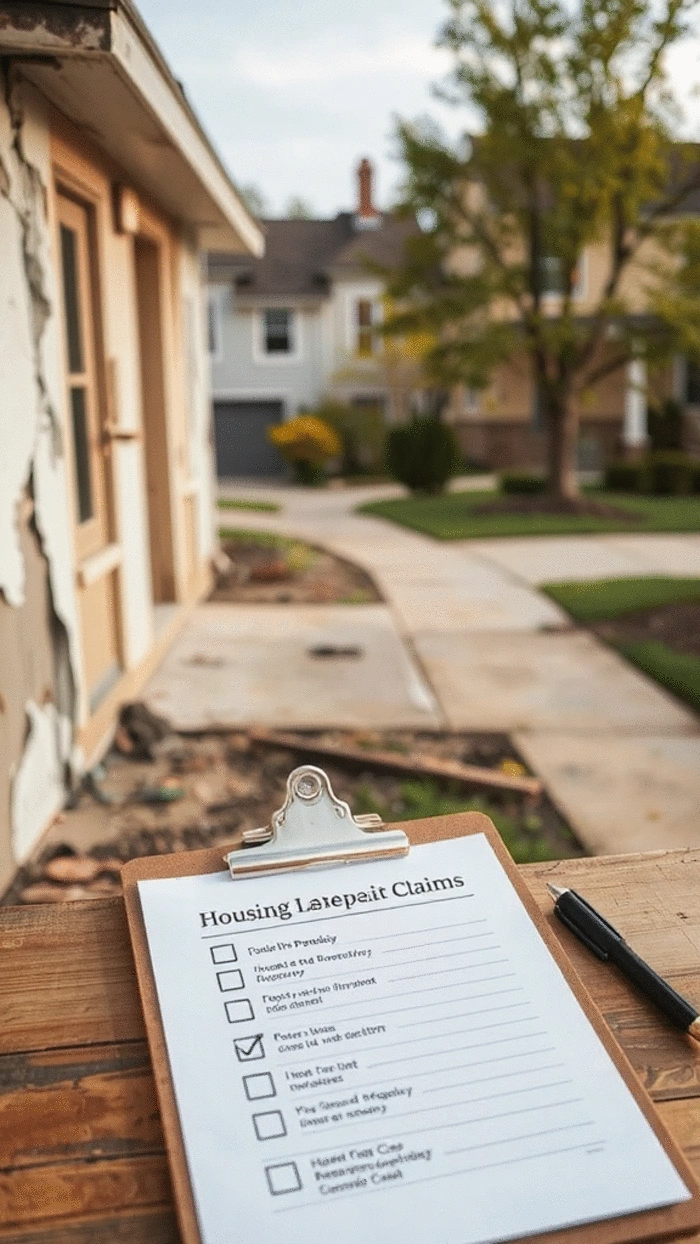
Illustration of a tenant gathering evidence for a housing disrepair claim

These steps collectively influence the time it takes to resolve your claim. Staying informed and proactive can help streamline the process while ensuring you are prepared for potential delays.

Visual representation of a mediation session between a tenant and landlord

Final content section.


Subscribe & Share
Avoid These Housing Claim Mistakes Common Mistakes to Avoid in Housing Disrepair Claims Did you know that many tenants are unaware of their rights regarding housing disrepair? Understandin
Wrongful vs Unfair Dismissal Explained Wrongful Dismissal vs Unfair Dismissal – Key Dispute Differences In today's uncertain job market, knowing your rights when it comes to termination is more crucial th
Understanding Interim Payments in Claims How Interim Payments Work in Serious Injury Claims In the world of serious injury claims, navigating financial challenges can be daunting. Interim paym
Banner
Solicitors No Win No Fee

Your essential guide to navigating no win no fee claims in the UK. We empower individuals across the UK with clear, comprehensive information and practical guidance on personal injury, medical negligence, and more, all without upfront legal fees.

Trusted by individuals seeking justice, our mission is to provide reliable, user-friendly insights backed by our commitment to accuracy and compliance from sources like the Solicitors Regulation Authority.

Learn More
Recent Posts
Common Mistakes to Avoid in Housing Disrepair Claims Avoid These Housing Claim Mistakes

Did you know that many tenants are unaware of thei

Wrongful Dismissal vs Unfair Dismissal – Key Dispute Differences Wrongful vs Unfair Dismissal Explained

In today's uncertain job market, knowing your righ

How Interim Payments Work in Serious Injury Claims Understanding Interim Payments in Claims

In the world of serious injury claims, navigating

Your No Win No Fee Claim Tips