Housing Disrepair and Mental Health
Posted on: 2025-12-10
By: Sarah Thompson
Understanding the impact of housing disrepair on mental health can be an eye-opening experience. It not only affects physical living conditions but also deeply influences emotional well-being. As we delve into this topic, consider how your home environment shapes your mental state.
What You Will Learn
- Housing disrepair includes issues like leaks, mold, and structural damage that can compromise not only safety but also well-being.
- There is a significant link between poor housing conditions and mental health, leading to stress, anxiety, and depression.
- Recognizing your legal rights as a tenant is essential in advocating for a safe living environment.
- Taking proactive steps, such as consulting legal experts and gathering evidence, can empower tenants to address housing disrepair effectively.
- Community resources, such as housing authorities and tenant advocacy groups, can provide vital support in navigating housing disrepair issues.
Impact of Housing Disrepair on Mental Health
Understanding the psychological effects of poor housing conditions can empower tenants to advocate for their rights.
Psychological Effects
- Increased levels of stress
- Heightened anxiety related to living conditions
- Feeling of helplessness
Effects on Daily Life
- Difficulty concentrating
- Reduced motivation and energy levels
- Feelings of isolation or distress
Common Housing Disrepair Issues
- Leaks and mold growth
- Inadequate heating
- Structural damage
Legal Steps to Take
- Identify specific issues
- Research tenant rights
- Consult a legal expert
Understanding Housing Disrepair and Its Impact on Mental Health
When we talk about housing disrepair, we refer to situations where a property is not maintained properly, leading to significant issues such as leaks, mold, or structural problems. These issues not only affect the physical integrity of the home but can also lead to a variety of emotional and mental health challenges. Understanding this connection is crucial, especially in a community like Birmingham, where many individuals may find themselves grappling with these challenges without realizing the full impact on their well-being. For a deeper dive into what constitutes disrepair, consider reading our guide on understanding housing disrepair claims.
As the founder of Solicitors No Win No Fee, I've seen firsthand how important it is for tenants to recognize the implications of living in substandard conditions. Many people feel overwhelmed and unsure of their legal rights when it comes to housing disrepair, which is why I am dedicated to simplifying this process and providing clear guidance.
What Is Housing Disrepair and Why It Matters?
Housing disrepair can manifest in various forms, such as inadequate heating, plumbing issues, or pest infestations. It's essential to understand that these conditions are not just inconveniences; they can have serious repercussions for health and safety. The matter becomes particularly pressing when you consider that tenants often have legal rights that protect them from such situations.
- Inadequate heating or insulation.
- Leaking roofs or plumbing issues.
- Mold growth due to water damage.
- Structural damage like cracks in walls.
Each of these examples not only compromises the living environment but also serves as a reminder to tenants that they deserve safe and secure housing. Awareness of these issues can empower tenants to seek the help they need.
The Link Between Poor Housing Conditions and Mental Health
Numerous studies have shown a clear connection between poor housing conditions and mental health issues. Living in disrepair can lead to increased levels of stress, anxiety, and even depression. When one’s home environment is unstable or unsafe, it can significantly affect one’s mental state. This is particularly important to note for tenants who may already be vulnerable due to other life circumstances. For more information on your rights regarding property upkeep, learn about landlord responsibilities for property repairs.
- Increased feelings of helplessness.
- Heightened anxiety related to living conditions.
- Challenges in maintaining a sense of stability.
The impact on mental health cannot be overstated. Recognizing these links can help tenants advocate for their rights and seek the support they need. After all, a safe home is foundational to one’s overall well-being.
The Psychological Impact of Living in Disrepair
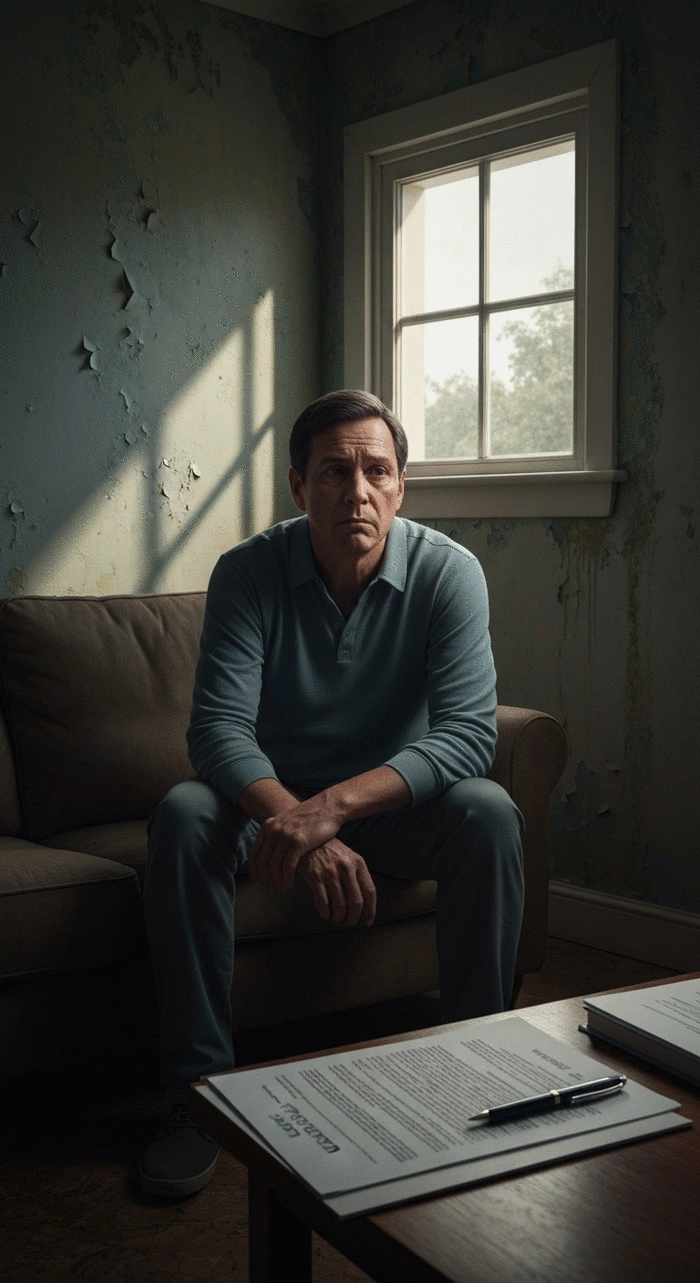
Living in a home that is falling apart can take a significant toll on mental health. The constant worry about leaks, structural issues, or safety hazards can lead to chronic stress, which over time, may develop into more serious mental health challenges. It's vital to understand that the psychological effects can linger, impacting daily life in various ways.
- Difficulty concentrating due to stress.
- Reduced motivation and energy levels.
- Feelings of isolation or distress.
At Solicitors No Win No Fee, I believe it’s crucial for tenants to recognize these impacts so they can take proactive steps. Seeking legal advice and support is an important step toward reclaiming both their living conditions and peace of mind.
Did You Know?
According to a study by the Royal Institute of British Architects, over 35% of tenants living in poor housing conditions reported experiencing mental health issues. This statistic highlights the urgent need for awareness and action regarding housing disrepair and its effects on well-being.
Taking Action: Navigating Your Legal Options
When faced with housing disrepair, it can feel overwhelming. However, taking action and exploring your legal options is crucial to ensure your rights are protected. At Solicitors No Win No Fee, we believe that understanding your legal avenues is the first step toward achieving a fair resolution. Let’s break down the steps to seek legal guidance effectively!
Steps to Seek Legal Guidance
- Identify Your Issues: Start by listing specific problems with your housing. This could include leaks, mold, or heating issues.
- Research Your Rights: Familiarize yourself with tenant rights under your local housing laws. Understanding these will empower you when discussing your situation with a legal professional.
- Consult a Legal Expert: Reach out to a solicitor who specializes in housing disrepair cases. Many offer initial consultations to help you understand your options.
- Gather Evidence: Collect photos, communication with your landlord, and any other documentation related to your housing issues.
Taking these steps will help you navigate the legal landscape more confidently. Remember, Solicitors No Win No Fee is here to provide guidance and support throughout this process.
Utilizing Community Resources and Support Systems
In addition to seeking legal advice, leveraging community resources can also enhance your support system as you tackle housing disrepair. Here are several resources that may be available to you:
- Local Housing Authorities: They can provide information on your rights and may help mediate disputes with landlords.
- Tenant Advocacy Groups: Organizations dedicated to tenant rights can offer valuable guidance and assistance.
- Legal Aid Services: If you qualify, these services can provide free legal representation or advice.
- Support Groups: Connecting with other tenants facing similar issues can provide emotional support and practical advice.
Utilizing these resources can significantly strengthen your position and help you feel less isolated in your fight for justice. Don’t hesitate to reach out! Ensuring you have access to the right support is essential when navigating these challenges. For detailed information on specific issues, such as addressing damp and mould issues, explore our blog.
FAQs about Housing Disrepair and Mental Health
Q: What constitutes housing disrepair?
A: Housing disrepair refers to situations where a property is not properly maintained, leading to issues like leaks, mold growth, inadequate heating, structural damage, plumbing problems, or pest infestations. These conditions can compromise the safety and well-being of the occupants.
Q: How does housing disrepair affect mental health?
A: Living in poor housing conditions can significantly impact mental health, leading to increased stress, anxiety, and depression. The constant worry about safety, an unstable living environment, and the effects of disrepair (like mold or cold) can cause feelings of helplessness, reduced motivation, difficulty concentrating, and social isolation.
Q: What legal rights do tenants have regarding housing disrepair?
A: Tenants have legal rights to live in a safe and well-maintained home. These rights often include the landlord's responsibility to carry out necessary repairs and ensure the property meets certain health and safety standards. If a landlord fails to address disrepair, tenants may have grounds to seek legal action or compensation.
Q: What steps should I take if I'm experiencing housing disrepair?
A: First, identify and document specific issues (photos, videos). Next, research your tenant rights and consider consulting a legal expert specializing in housing disrepair. Gather all communications with your landlord and any other relevant evidence. You can also reach out to local housing authorities or tenant advocacy groups for support.
Q: Where can I find support if my landlord is unresponsive to repair requests?
A: If your landlord is unresponsive, you can contact your local housing authority, who may be able to mediate or enforce regulations. Tenant advocacy groups offer valuable guidance and assistance. Legal aid services might provide free advice or representation if you qualify. Additionally, solicitors specializing in housing disrepair, like Solicitors No Win No Fee, can help you understand and pursue your legal options.
Summary of Key Points and Next Steps
In summary, understanding your tenant rights and available legal options is vital when dealing with housing disrepair. Taking proactive steps to seek legal guidance and leveraging community resources can empower you to take control of your situation. The help is out there, and we encourage you to reach out and take action to protect your rights.
Understanding Your Tenant Rights and Protections
Being informed about your rights is the foundation of any successful claim. Knowing what protections are in place for you as a tenant can make a significant difference. You have the right to live in a safe and well-maintained home, and it’s essential to advocate for those rights!
Encouragement to Seek Help and Take Action
Don’t hesitate to seek help when you need it! Taking action is the first step towards resolving your issues. Remember, every question you have or step you take towards addressing your situation is a step towards improving your living conditions.
Exploring the Role of Local Housing Authorities in Tenant Support
Local housing authorities play a crucial role in supporting tenants. They can provide resources, assist with disputes, and ensure that landlords comply with housing regulations. Engaging with these authorities can help reinforce your claim and connect you with further support. At Solicitors No Win No Fee, we’re committed to helping you every step of the way! You might also find it helpful to understand claiming rights in rented housing.
Recap of Key Points
Here is a quick recap of the important points discussed in the article:
- Housing disrepair can lead to serious physical and mental health issues, including stress and anxiety.
- Tenants have legal rights that protect them from unsafe living conditions, such as mold and structural damage.
- Taking proactive steps, such as identifying issues and consulting legal experts, is crucial for tenants facing disrepair.
- Community resources, including tenant advocacy groups and legal aid services, can provide valuable support.
- Understanding your rights and available options empowers tenants to take action and improve their living conditions.
 Are you aware of the importance of confidentiality clauses in employment agreements? Understanding t
 Understanding future care costs in accident claims is essential. With that in mind, here are key ins
 Did you know that many tenants are unaware of their rights regarding housing disrepair? Understandin