Environmental Health and Housing Issues
Posted on: 2025-12-26
By: Sarah Thompson
Did you know that the quality of your home can significantly impact your health? According to recent studies, poor housing conditions correlate with various health issues, making it crucial for tenants to understand their rights and the implications of housing disrepair.
What You Will Learn
- Housing disrepair is a major public health issue affecting tenant wellbeing across the UK.
- Common hazards in poor housing include mold, pest infestations, and exposure to toxic materials.
- Understanding tenant rights and landlord responsibilities can empower tenants to seek necessary repairs.
- Documenting disrepair issues is crucial for filing complaints and seeking legal recourse.
Impact of Environmental Health on Housing Disrepair
Examining the health hazards associated with poor housing conditions, the following are common issues and their health implications:
Mold and Dampness
- Respiratory illnesses (e.g., asthma)
- Allergic reactions
- General fatigue
Pest Infestations
- Diseases from rodents
- Sleep disturbances from bedbugs
- Increased anxiety
Lead Exposure
- Developmental delays in children
- Learning difficulties
Asbestos Risks
- Respiratory diseases (e.g., mesothelioma)
- Long-term health complications
The Impact of Environmental Health on Housing Disrepair Cases
When discussing housing disrepair, we must recognize that it's not just about aesthetics or comfort. Environmental health plays a crucial role in shaping tenant well-being. Poor housing conditions can lead to serious health risks, making it a pressing public health concern. In this section, we’ll explore how these factors intersect and what it means for tenants across the UK, particularly in Birmingham. For more detailed information on your rights, consider understanding housing disrepair claims.
As someone dedicated to demystifying complex legal concepts, I believe it's essential to understand how disrepair impacts not just the physical structure of a home but also the health of its occupants. From respiratory issues to psychological stress, the implications are far-reaching. Let’s dive deeper!
Understanding Housing Disrepair: A Public Health Concern
Housing disrepair isn’t merely a legal issue; it's a significant public health concern. When homes deteriorate, they often become breeding grounds for various health hazards. Environmental health directly affects the quality of life for tenants, as well as their physical and mental health.
- Unstable living conditions can lead to increased stress and anxiety.
- Substandard housing often correlates with higher instances of chronic illnesses.
- Poor housing conditions can exacerbate existing health issues, particularly among vulnerable populations.
In Birmingham, where many residents may struggle with housing quality, understanding these connections is vital. It’s not just about fixing a leaky roof; it’s about securing a safe and healthy living environment for all. At Solicitors No Win No Fee, we aim to provide the information you need to advocate for your rights as a tenant.
Identifying Common Health Hazards in Poor Housing
Let's look at some of the most common health hazards that arise from poor housing. Understanding these risks can empower tenants to take action and seek the help they deserve.
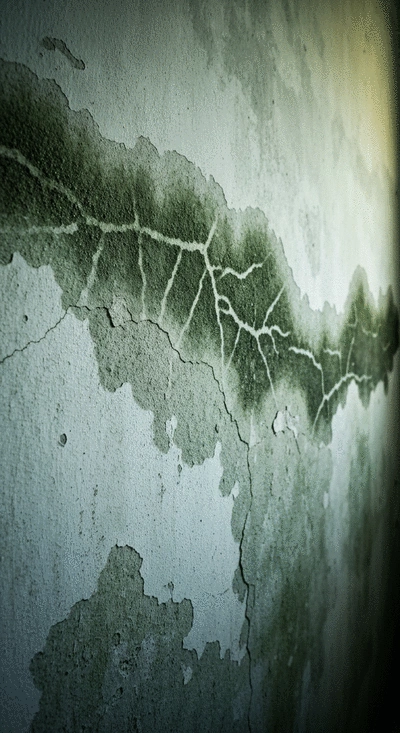
Mold and Dampness: Unseen Dangers
Mold and dampness are notorious issues in poorly maintained properties. These conditions can lead to a host of health problems, including respiratory illnesses and allergic reactions. Prolonged exposure can severely impact the quality of life for tenants, particularly those with pre-existing health conditions. For guidance on addressing these specific problems, see our article on addressing damp and mould issues.
- Respiratory problems, such as asthma and chronic bronchitis.
- Allergenic responses, leading to skin irritations and other symptoms.
- General fatigue and cognitive issues due to poor air quality.
Recognizing the signs of mold and dampness early is crucial for preventing these health risks. If you notice any signs in your home, it’s essential to report them to your landlord or housing authority immediately.
Pest Infestations: Health Risks from Bedbugs and Rodents
Pests like bedbugs and rodents pose significant health risks beyond just inconvenience. They can spread diseases and create a toxic living environment. The psychological impact of dealing with pest infestations can also weigh heavily on tenants.
- Rodents can transmit diseases suchs hantavirus and leptospirosis.
- Bedbugs can lead to sleep disturbances and increased anxiety.
- Pest-related stress can contribute to mental health issues, further complicating a tenant's living situation.
It’s vital for tenants to take action if they suspect an infestation. Seeking legal advice and understanding your rights can help ensure your living environment is safe and healthy.
Lead Exposure and Asbestos: Toxic Risks in Housing
Older properties may harbor dangerous materials like lead paint and asbestos, both of which can have severe health implications. Lead exposure is particularly harmful to children, while asbestos can lead to serious respiratory diseases.
- Lead poisoning can cause developmental delays and learning difficulties.
- Asbestos exposure is linked to lung conditions, including mesothelioma.
- Both risks necessitate urgent remediation efforts to protect residents.
Awareness of these hazards can be a game changer for tenants living in older homes. If you suspect your property contains these materials, contacting local authorities for an inspection is a critical step toward safeguarding your health.
Legal Framework: Tenant Rights in Disrepair Cases
Understanding your rights as a tenant in cases of housing disrepair is essential for ensuring a safe living environment. The legal framework sets clear obligations for landlords, and knowing them can empower you in your quest for justice.
Responsibilities of Landlords and Housing Authorities
Landlords have a legal duty to maintain their properties to certain safety and health standards. These responsibilities include:
- Regular maintenance to prevent issues like mold and pests.
- Ensuring that all housing meets basic health and safety regulations.
- Responding promptly to repair requests from tenants.
Familiarizing yourself with these obligations can help you advocate for your rights effectively. If your landlord fails to meet these responsibilities, it may be time to seek legal advice.
Understanding Legal Recourse: How to File a Complaint
If you find yourself in a situation where disrepair is affecting your health, knowing how to file a complaint is crucial. Here’s how you can take action:
- Document all instances of disrepair, including photographs and written communications.
- Contact your landlord in writing, outlining the issues and requesting repairs.
- If no action is taken, consider approaching your local housing authority for assistance.
At Solicitors No Win No Fee, we aim to provide the resources and support you need to navigate these processes confidently. Remember, you're not alone in this. For further assistance, understanding proving your housing disrepair claim can be very helpful.
Engaging with Your Rights
Have you ever felt uncertain about your rights as a tenant in a disrepair situation? Understanding your legal protections is crucial. We encourage you to consider these questions:
- Are you aware of the specific health risks associated with your living conditions?
- What steps have you taken to address housing disrepair issues?
- Do you know where to seek legal advice if necessary?
Taking action not only empowers you but also contributes to a healthier community. Share your experiences and thoughts below!
FAQs on Environmental Health and Housing Disrepair
What is housing disrepair and how does it relate to health?
Housing disrepair refers to poor living conditions in a rented property that can lead to various health issues. This includes problems like mold, dampness, pest infestations, and exposure to toxic materials like lead or asbestos, all of which can cause respiratory illnesses, allergies, mental health problems, and other severe health complications.
What are common health hazards found in poor housing?
Common hazards include mold and dampness (leading to respiratory problems), pest infestations (carrying diseases and causing stress), lead exposure (especially harmful to children's development), and asbestos (linked to serious lung diseases).
What are my rights as a tenant regarding housing disrepair?
As a tenant, you have the right to a safe and healthy living environment. Landlords have a legal duty to maintain properties to certain standards, address repair requests promptly, and ensure basic health and safety regulations are met. If these responsibilities are not upheld, you have legal recourse.
How can I report housing disrepair to my landlord?
It is crucial to document all instances of disrepair with photographs and written descriptions. Contact your landlord in writing, clearly outlining the issues and requesting repairs. If no action is taken, you may consider approaching your local housing authority or seeking legal advice.
Can poor housing conditions affect my mental health?
Yes, unstable living conditions, persistent disrepair, and issues like pest infestations can significantly contribute to increased stress, anxiety, sleep disturbances, and other mental health problems, exacerbating existing conditions and impacting overall well-being.
Summarizing the Connection Between Environmental Health and Housing Disrepair
Understanding the connection between environmental health and housing disrepair is crucial for both tenants and landlords. Poor housing conditions not only lead to physical health issues but also have lasting psychological impacts on residents. As we've explored, the implications of dampness, pest infestations, and other health hazards can significantly affect tenant well-being, making it essential for everyone involved to recognize these issues.
By addressing environmental health concerns proactively, we can foster healthier living conditions and promote awareness about the rights of tenants. This is where our mission at Solicitors No Win No Fee becomes vital—empowering individuals to understand their rights and navigate the complexities of housing disrepair claims.

Calls to Action: Empowering Tenants and Advocates
It's important for tenants to know that they aren't alone in facing housing disrepair issues. Here are a few steps you can take to seek help and report concerns:
- Document any disrepair issues with photographs and written descriptions.
- Contact your landlord or housing authority to report the problems.
- Seek legal advice if issues persist—many resources are available to assist you.
- Engage with community support groups that focus on housing issues.
Remember, taking action not only helps you but also strengthens the community by encouraging others to advocate for their living conditions. Together, we can push for better housing standards!
Engaging with Policy Change for Better Housing Conditions
As members of the community, we have the power to influence local housing policies. Here are some effective ways to engage with your local housing authority:
- Attend community meetings to voice your concerns and suggestions.
- Participate in public forums or workshops focused on housing improvement.
- Collaborate with local organizations that advocate for housing rights.
- Encourage fellow tenants to join you in advocating for changes.
By being proactive, we can advocate for improved standards and ensure that enforcement measures are effectively implemented to protect tenant health and safety.
The Role of Advocacy Groups in Promoting Environmental Justice
Advocacy groups play a critical role in advocating for environmental justice and better housing conditions. They can:
- Provide education and resources to help tenants understand their rights.
- Influence policy changes through community mobilization and awareness campaigns.
- Offer legal assistance or connect individuals with legal professionals.
- Raise public awareness about the health implications of housing disrepair.
Working with these organizations can amplify our voices, leading to meaningful changes that benefit everyone in our communities. At Solicitors No Win No Fee, we believe in the power of collective action to drive positive change in housing standards, and we encourage you to explore resources like landlord responsibilities for property repairs to better understand your situation.
Recap of Key Points
- Housing disrepair significantly impacts tenant health and well-being, making it a critical public health concern.
- Common health hazards include mold, pests, lead exposure, and asbestos, which can lead to severe health issues.
- Tenants should document disrepair issues and understand their rights to ensure landlords fulfill their legal responsibilities.
- Proactive engagement with housing authorities and advocacy groups can lead to improved housing conditions and tenant support.
- Empowering tenants to take action is vital for fostering a healthier living environment and advocating for their rights.
 Are you aware of the importance of confidentiality clauses in employment agreements? Understanding t
 Understanding future care costs in accident claims is essential. With that in mind, here are key ins
 Did you know that many tenants are unaware of their rights regarding housing disrepair? Understandin