Calculating Compensation in Housing Disrepair
Posted on: 2025-11-17
By: Sarah Thompson
Understanding the intricacies of housing disrepair compensation can feel overwhelming. However, grasping the key factors involved can empower you to secure the compensation you deserve. Are you aware of the elements that can significantly impact your claim? Let’s break it down!
What You Will Learn
- The three main factors influencing housing disrepair compensation: rent, duration, and severity of disrepair.
- How higher rental payments can lead to increased compensation claims.
- The importance of documenting the duration of disrepair for your compensation calculation.
- The difference between general damages and special damages in housing disrepair cases.
- How to calculate potential compensation using a simple formula including monthly rent and severity factor.
- The eligibility to claim for damaged possessions and health impacts resulting from housing disrepair.
Compensation Calculation Factors in Housing Disrepair
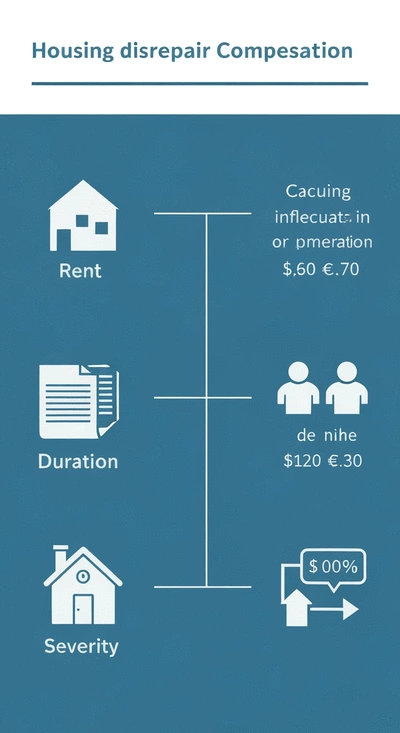
Understanding how rent, duration, and severity influence compensation claims can empower tenants to assess their potential entitlements effectively. For a deeper dive into what constitutes a valid claim, you might find our guide on understanding housing disrepair claims particularly helpful.
Rent Impact
Higher monthly rent can lead to higher compensation claims. Example: £800/month can significantly affect the final amount.
Duration Effect
Longer durations of disrepair increase potential compensation. Example: 24 months leads to larger claims.
Severity of Disrepair
More severe issues translate into higher compensation. Example: Severe mold could justify a higher claim multiplier.
Compensation Formula
Compensation = Monthly Rent x Duration (months) x Severity Factor. Example: £800 x 24 x 1.5 = £28,800.
Understanding Housing Disrepair Compensation Calculation
When it comes to claiming compensation for housing disrepair, it's vital to understand how the calculation works. The three primary elements that influence this calculation are rent, duration, and severity of disrepair. These factors interact in various ways to help determine what compensation you might be entitled to.
Let's take a closer look at each element:
- Rent: The amount you pay in rent can impact your compensation. Higher rents may lead to higher compensation claims.
- Duration: How long the disrepair has persisted also plays a significant role. Longer durations often justify greater compensation.
- Severity of disrepair: The more severe the issues, the more they can affect your quality of life, which translates into a higher compensation amount.
By considering these three factors, you can begin to gauge the potential compensation you may receive for your housing disrepair claim. Let's explore more about how to calculate your compensation with practical examples.
What Are the Main Factors in Compensation Calculation?
The interaction between rent, duration, and severity is critical when calculating compensation. For example, if you pay a high rent for a property that has significant disrepair issues for an extended period, your compensation claim will likely be higher than for a lower rent with minor issues. Understanding this interplay is essential for a solid claim. Further insights into proving your claim can be found in our article on proving your housing disrepair claim.
Additionally, the context of the disrepair matters greatly. If the condition of your home has led to health issues or has affected your ability to enjoy your living space, these factors will also influence the compensation amount.
Frequently Asked Questions About Housing Disrepair Compensation
What are the key factors influencing housing disrepair compensation?
The three main factors are the amount of rent paid, the duration the disrepair has existed, and the severity of the disrepair.
How does my rent affect my compensation claim?
Generally, higher monthly rental payments can lead to higher compensation claims because the inconvenience and impact are often perceived as greater in higher-value properties.
Why is the duration of disrepair important?
The longer the disrepair persists, the greater the inconvenience, impact on quality of life, and potential for further damage or health issues, all of which can increase the compensation amount.
What is the difference between general damages and special damages?
General damages cover non-monetary losses like inconvenience, distress, and health impacts. Special damages cover quantifiable financial losses such as repair costs, replacement of damaged possessions, and loss of earnings.
Can I claim for damaged possessions or health problems?
Yes, you can claim for both. If your belongings are damaged due to the disrepair (e.g., mold on furniture), or if the disrepair has caused or worsened health issues (e.g., respiratory problems from damp), these can be included in your claim as special or general damages, respectively.
Step-by-Step Guide to Calculating Your Compensation
Now, let's dive into a detailed example to illustrate how to apply the compensation calculation. Imagine you've been living in a rental property for two years, paying £800 a month, and during that time, you’ve encountered severe mold issues and heating failures.
Here's a simple formula to guide your calculation:
- Monthly Rent x Duration (in months) x Severity Factor
For this case:
- Monthly Rent: £800
- Duration: 24 months
- Severity Factor: Let's rate the severity at 1.5 due to significant health impacts and quality of life issues.
Putting it all together:
- £800 x 24 x 1.5 = £28,800
In this scenario, you could potentially claim around £28,800 for your housing disrepair. Remember, this is a hypothetical example, and actual compensation can vary based on individual circumstances.
Types of Compensation Available in Housing Disrepair Cases
Understanding the types of compensation available can help you better prepare your claim. There are two main categories: general damages and special damages.
In housing disrepair cases, knowing these distinctions can guide you in identifying potential claims that you may not have initially considered.
General Damages Explained
General damages cover the inconvenience and distress caused by living in a property that is not up to standard. This can include factors such as:
- Disruption to daily life: Inconveniences that impact your routine.
- Emotional distress: The stress and anxiety caused by living in poor conditions.
- Impact on health: If disrepair has led to health complications, this can contribute to your claim.
Assessing general damages can be subjective, but it's essential to document how the disrepair affected your life to strengthen your claim.
Understanding Special Damages
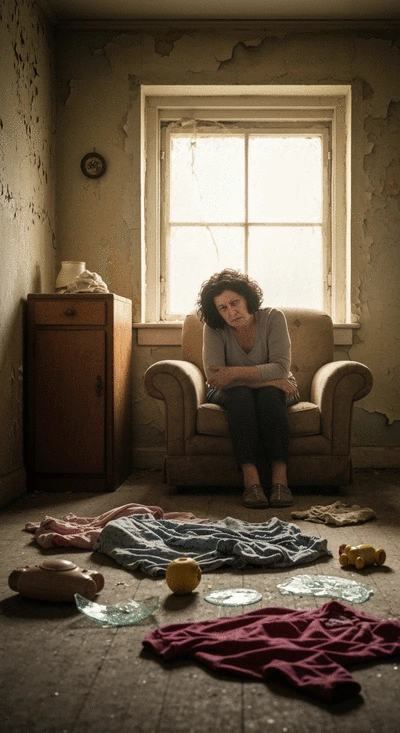
Special damages are more quantifiable and may include:
- Repair costs: Expenses incurred to fix issues in the property.
- Replacement costs for damaged items: If your belongings were damaged due to disrepair, you might be able to claim for their replacement.
- Loss of earnings: If your ability to work was affected due to the living conditions, this might also factor into your claim.
It's crucial to keep detailed records of all expenses related to the disrepair, as this will support your case for special damages.
Can You Claim for Damaged Possessions or Health Impacts?
Absolutely! You can seek compensation for damages related to personal possessions as well as health impacts caused by disrepair. If your belongings were directly affected by issues like leaks or mold, you have grounds for a claim.
Moreover, if the disrepair has resulted in health problems, such as respiratory issues from mold exposure, it strengthens your case. Make sure you gather all relevant medical records and receipts related to your possessions to support your claim effectively.
Pro Tip
When documenting your housing disrepair claims, always take detailed photographs of the issues. Visual evidence can significantly strengthen your case and provide a clearer picture of the severity of the disrepair. Additionally, keep a journal of any health impacts or inconveniences caused by the disrepair to support your claim for general damages.
Key Takeaways on Housing Disrepair Compensation
Understanding the complexities of housing disrepair compensation is crucial for any tenant facing issues with their rental property. We've covered significant factors in the compensation calculation, such as the rent, duration, and severity of disrepair. It’s vital to gather proper evidence and comprehend the types of damages available, whether general or special, as these elements play a pivotal role in the outcome of your claim.
Remember, your rights as a tenant are protected under the law, and knowing how to effectively navigate these processes can empower you to secure the compensation you deserve. By being informed and prepared, you can approach your situation with confidence!
Next Steps for Tenants Facing Housing Disrepair
If you’re a tenant dealing with housing disrepair, the first step is to assess your situation thoroughly. Take some time to gather the necessary documents, such as your tenancy agreement, any repair complaints you've made, and photographs of the disrepair. This evidence will strengthen your case when you move forward with your claim.
Should you feel overwhelmed or uncertain about your next steps, don’t hesitate to seek legal advice. At Solicitors No Win No Fee, we are dedicated to guiding you through the complexities of no win no fee claims, ensuring you have the support you need every step of the way. For further assistance, consider exploring resources that can help you navigate your legal options effectively!
Finding Tenant Advocacy and Support Services
Here are some valuable tenant support services that can assist you with disrepair claims and legal representation:
- Shelter - A national charity that offers advice and support for tenants facing housing issues.
- Citizens Advice - Provides free, confidential information on a wide range of legal issues, including housing disrepair.
- Local Council Housing Departments - Your local authority may have resources to help tenants with housing conditions.
- Law Centres - Non-profit legal practices that can offer free legal advice and representation to those in need.
Utilizing these resources can help you feel more empowered and informed as you navigate your housing disrepair claim! Remember, taking action is the first step towards securing the justice you deserve.
Recap of Key Points
Here is a quick recap of the important points discussed in the article:
- Key Factors in Compensation: The primary elements influencing compensation for housing disrepair are rent, duration of disrepair, and severity of issues.
- General vs. Special Damages: Understand the difference; general damages cover inconvenience and emotional distress, while special damages are quantifiable costs like repairs and lost earnings.
- Document Everything: Keeping detailed records of disrepair, expenses, and health impacts is crucial for a strong compensation claim.
- Legal Support: Seeking legal advice can enhance your understanding of the claims process and improve your chances of securing compensation.
- Utilize Resources: Access tenant advocacy and support services for additional guidance and assistance with your claim.
 Are you aware of the importance of confidentiality clauses in employment agreements? Understanding t
 Understanding future care costs in accident claims is essential. With that in mind, here are key ins
 Did you know that many tenants are unaware of their rights regarding housing disrepair? Understandin