Avoid These Housing Claim Mistakes
Posted on: 2026-01-24
By: Sarah Thompson
Did you know that many tenants are unaware of their rights regarding housing disrepair? Understanding these rights can significantly impact your living conditions and legal claims. Let’s dive into the essential insights that will empower you as a tenant.
What You Will Learn
- Tenants have the right to safe and habitable living conditions, as outlined in the Landlord and Tenant Act 1985.
- It is a misconception that only major disrepairs, like structural damage, are actionable; even minor issues can warrant a claim.
- Documentation is crucial; always keep records of reported issues and landlord responses to strengthen your claim.
- Engaging a solicitor can enhance your chances of a successful claim, providing expert guidance tailored to your situation.
Common Housing Disrepair Issues and Tenant Rights
Understanding the types of housing disrepair issues and your rights as a tenant can empower you to take action effectively. For a deeper dive into what constitutes disrepair, consider understanding housing disrepair claims.
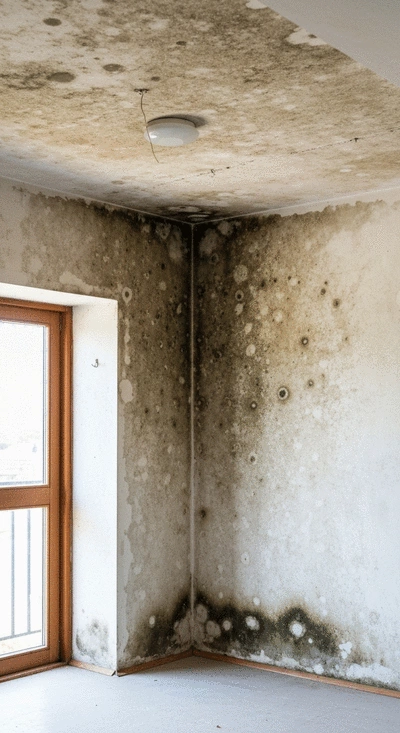
Damp and Mould
- Visible mould on walls or ceilings.
- Musty smells in certain areas.
- Peeling paint or wallpaper.
Faulty Heating Systems
- Document the date reported.
- Record landlord's response.
- Note duration without heating.
Pest Infestations
- Notify your landlord immediately.
- Document evidence with photos.
- Contact authorities if ignored.
Structural Issues
- Ensure property is structurally sound.
- Address significant structural defects.
- Request repairs for any issues.
Safety Regulations
- Receive a property meeting safety standards.
- Request inspections if lacking.
- Report violations to authorities.
Navigating Housing Disrepair Claims: Common Pitfalls to Sidestep
As a tenant, understanding your rights is crucial when it comes to navigating housing disrepair claims. The Landlord and Tenant Act 1985 lays out specific rights for tenants, which can empower you when facing disrepair issues. Knowing these rights not only prepares you for initiating a claim but also helps avoid the common pitfalls that many tenants encounter.
One key aspect is that tenants have the right to live in a property that is safe and well-maintained. If you find yourself in a situation where your landlord is neglecting their responsibilities, being informed about your rights can make all the difference in securing the justice you deserve!
Understanding Your Rights as a Tenant
- Right to safe and habitable living conditions.
- Right to request repairs in a timely manner.
- Right to seek compensation if repairs are not addressed.
These rights ensure that you have legal backing when pursuing a claim. At Solicitors No Win No Fee, we aim to demystify these legal protections, making them accessible for everyone in Birmingham and beyond. It’s your home, and you deserve a safe space!
Key Misconceptions About Housing Disrepair Claims
Many tenants harbor misconceptions that can deter them from pursuing legitimate claims. A prevalent myth is that only major issues, like structural damage, qualify for a claim. In reality, even minor disrepairs can have significant impacts on your living conditions and health.
- Myth: You will be evicted for making a claim.
- Myth: Only serious issues are actionable.
- Myth: You need to pay upfront costs to file a claim.
Understanding these misconceptions is vital. No one should feel afraid to stand up for their rights! At Solicitors No Win No Fee, we’re here to support you in navigating these claims confidently. You can also learn more about proving your housing disrepair claim.
Identifying Types of Housing Disrepair Issues
Damp and Mould: Recognizing the Signs
Damp and mould can often be overlooked, but they can have serious consequences for your health. Knowing how to identify these issues is the first step. Look out for signs such as:
- Visible mould on walls or ceilings.
- Musty smells in certain areas of your home.
- Peeling paint or wallpaper.
If you notice any of these signs, it’s essential to address the issue promptly. Health risks associated with damp conditions are significant, and taking action can safeguard your well-being.
Faulty Heating Systems: Understanding Your Entitlements
As winter approaches, a malfunctioning heating system can become a major concern. Landlords have specific responsibilities regarding heating, and it’s vital to know what these are. Ensure you document:
- The date you reported the issue.
- The landlord's response and any repairs attempted.
- How long you've been without adequate heating.
If your heating system is not functioning properly, you have every right to demand repairs! Clear documentation will strengthen your claim.
Pest Infestations: What You Need to Know
Pest infestations can be distressing and harmful to your living conditions. If you find yourself facing this issue, here are the steps you should take:
- Notify your landlord immediately.
- Document any evidence of the infestation, such as photos.
- Consider contacting local authorities if the landlord fails to act.
Remember, landlords are obligated to maintain pest control. Don’t hesitate to pursue your rights!
Structural Issues: Legal Expectations for Landlords
Structural problems, such as leaks or cracks in walls, can affect the safety of your home. It’s important to know that landlords have legal expectations to meet regarding these issues.
- Landlords must ensure the property is structurally sound.
- They are responsible for addressing significant structural defects.
- Tenants have the right to request repairs for structural issues.
Identifying and reporting these issues promptly can prevent further deterioration and protect your rights as a tenant.
Understanding Property Standards: Safety Regulations for Tenants
Every landlord must comply with safety regulations to ensure tenant safety. This includes adequate fire safety measures, proper electrical systems, and overall structural integrity. Tenants have the right to:
- Receive a property that meets these standards.
- Request inspections if safety measures are lacking.
- Report violations to local authorities.
Being aware of these regulations can empower you to advocate for a safe living environment! For more details on what your landlord is responsible for, read our guide on landlord responsibilities for property repairs.
We Want to Hear From You!
Have you ever faced challenges with housing disrepair? What steps did you take to resolve the issues? Share your thoughts below:
Frequently Asked Questions About Housing Disrepair
Recap and Next Steps for Tenants
Being Prepared: Steps to Take Before Filing a Claim
Before you file a housing disrepair claim, it’s crucial to be fully prepared. Gathering thorough evidence can significantly enhance your chances of success. Here’s a practical checklist to guide you:
- Document the Issues: Take clear photographs of the disrepair and any related damage.
- Keep Communication Records: Maintain logs of all communications with your landlord regarding the issues.
- Collect Witness Statements: If possible, gather statements from neighbors or others who can attest to the situation.
- Review Your Tenancy Agreement: Familiarize yourself with the specific obligations of your landlord outlined in the contract.
By following these steps, you can create a solid foundation for your claim. Remember, being well-prepared not only helps your case but also empowers you as a tenant.
Seeking Professional Guidance: When to Contact a Solicitor
Consulting with a solicitor can make a world of difference when navigating housing disrepair claims. As someone who has dedicated years to making legal information accessible, I can personally attest to the benefits of professional guidance. Here’s why you should consider reaching out:
- Expert Advice: Solicitors can provide tailored legal advice specific to your situation.
- Streamlined Process: They can help you understand the claims process and potential pitfalls to avoid.
- Increased Chances of Success: Professional representation often results in better outcomes, especially if disputes arise.
Don't hesitate to seek help when you feel overwhelmed. Engaging a solicitor can empower you to pursue your rights confidently and effectively.
Your Rights Matter: Take Action on Disrepair Issues
Encouragement to Stand Up for Your Rights
It’s time to take action on disrepair issues! As a tenant, you have rights, and it’s essential to utilize them. Don’t let fear hold you back from addressing the problems in your home. Remember, it’s not just about your comfort; it’s about your safety and wellbeing. Here are some ways to stand up for your rights:
- Document Everything: Continue to document any ongoing issues and communications.
- Notify Your Landlord: Use formal channels to notify your landlord of the disrepair.
- Explore Legal Options: Don’t shy away from considering legal action if necessary.
By taking these proactive steps, you assert your rights and ensure that your living conditions meet legal standards.
Engaging Tenant Advocacy Groups for Support
Tenant advocacy groups can be invaluable resources when facing housing disrepair issues. These organizations offer support, advice, and guidance tailored to your situation. Here's how they can assist you:
- Information and Resources: They provide materials that explain your rights and options.
- Support Networks: Connecting with others in similar situations can offer emotional support and practical insights.
- Legal Assistance: Some groups may offer access to legal professionals who can help with your claim.
If you're feeling lost in the process, don't hesitate to reach out to these groups. They are there to help you navigate the complexities of housing disrepair claims.
Join the Conversation: Share Your Experiences
Your experiences matter! I invite you to join the conversation about housing disrepair claims. Have you faced challenges in your home? What steps did you take to resolve them? Sharing your story not only helps you reflect but also inspires others in similar situations. Feel free to ask questions too! Engaging with our community is a great way to learn and feel supported as you navigate your rights.
Recap of Key Points
Here is a quick recap of the important points discussed in the article:
- Know Your Rights: Tenants are entitled to safe and habitable living conditions, timely repairs, and compensation for unresolved issues.
- Address Misconceptions: Don't be deterred by myths, such as the belief that only major issues qualify for claims or that you might face eviction for making a claim.
- Document Evidence: Gather thorough documentation of disrepairs, including photos, communication logs, and witness statements before filing a claim.
- Engage Professional Help: Consulting a solicitor can provide tailored legal advice and increase your chances of a successful claim.
- Take Action: Proactively document ongoing issues, notify your landlord formally, and explore legal options if necessary.
- Utilize Support Resources: Connect with tenant advocacy groups for guidance and assistance in navigating disrepair claims.

 Are you aware of the importance of confidentiality clauses in employment agreements? Understanding t
 Understanding future care costs in accident claims is essential. With that in mind, here are key ins
 Did you know that many tenants are unaware of their rights regarding housing disrepair? Understandin