Understanding Housing Disrepair Claims
Posted on: 2025-10-24
By: Sarah Thompson
Understanding your rights in housing disrepair situations is not just about knowing the law; it’s about empowering yourself. With the right information, you can navigate the complexities of your living situation and advocate for the safe, habitable home you deserve.
What You Will Learn
- Housing disrepair encompasses issues that affect the safety and livability of a property, including dampness, structural damage, and inadequate heating.
- Tenants have rights under the Homes (Fitness for Human Habitation) Act 2018, which mandates that all rented properties must be free from serious hazards.
- Local authorities can play a pivotal role in addressing housing disrepair by conducting inspections and issuing improvement notices to landlords.
- Effective communication with your landlord is essential. Documenting issues and requests can ensure your rights are upheld and expedite necessary repairs.
- Understanding common disrepair issues, such as dampness and structural defects, allows tenants to take proactive measures for their safety and health.
- The Housing Ombudsman provides independent mediation and can help resolve disputes between tenants and landlords effectively.
Common Housing Disrepair Issues and Their Impacts
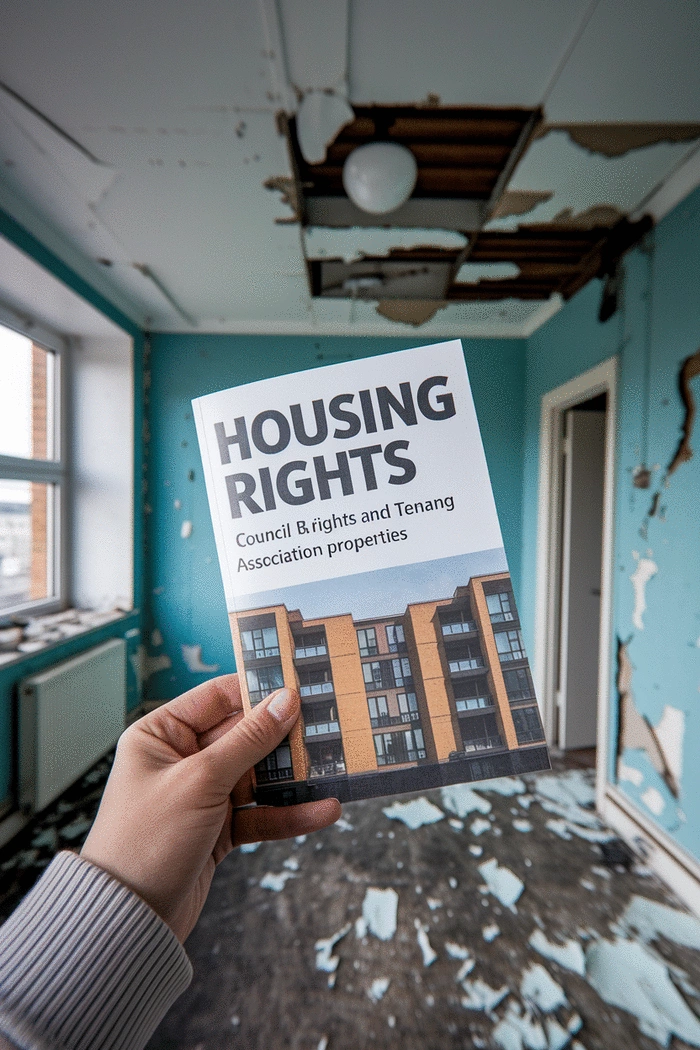
Several frequent problems affect tenants living in council and housing association properties, influencing their health and quality of life. Below is an overview of these issues along with their potential impacts.
Dampness and Mould
Can lead to respiratory issues and allergies.
Structural Defects
Cracked walls or unstable ceilings pose safety risks.
Pest Infestations
Rodents and insects can affect health and comfort.
Faulty Heating Systems
Can leave homes uncomfortably cold, impacting well-being.
Understanding Your Rights: Housing Disrepair in Council and Housing Association Properties
When it comes to housing disrepair in council and housing association properties, understanding your rights is crucial. Housing disrepair refers to any significant failure to maintain a property that affects its safety and livability. This can include issues like dampness, structural damage, or inadequate heating. In the UK, legal definitions highlight landlords' obligations to provide safe and habitable living conditions, and tenants have the right to seek remedies when these standards are not met. For a more detailed look at the process, explore our guide on understanding housing disrepair claims.
It's essential to recognize that local councils and housing associations have specific responsibilities under the law. If your home isn't fit for human habitation, you may be entitled to repairs, compensation, and even legal recourse. My goal here is to empower you with knowledge so you can navigate these complexities with confidence.
What is Housing Disrepair?
Housing disrepair is typically categorized as any condition in a property that fails to meet basic safety and health standards. This includes structural defects, plumbing issues, and problems with heating or insulation. In council and housing association properties, landlords are legally required to ensure that their properties are maintained to a specific standard. If they neglect these responsibilities, tenants can take action.
- Structural issues, such as cracks in walls or ceilings
- Plumbing problems, including leaks and faulty drainage
- Heating failures, leaving tenants in cold living conditions
- Issues with damp and mould, which can affect health

As a tenant, it's vital to be aware of these definitions and implications. Knowing your rights can significantly impact your living situation and help you advocate for necessary repairs.
Your Legal Rights Under the Homes (Fitness for Human Habitation) Act 2018
The Homes (Fitness for Human Habitation) Act 2018 is a key piece of legislation for tenants in the UK. This Act ensures that all rented properties are safe and suitable for living. Under this law, tenants have the right to expect their home to be free from serious hazards, which include:
- Any risks to health from damp and mould
- Inadequate heating and ventilation systems
- Unsafe electrical installations and appliances
- Structural integrity issues that pose a danger
If a landlord fails to address these conditions, tenants can take action, including seeking legal advice. At Solicitors No Win No Fee, we believe in empowering you with the knowledge to protect your rights. It’s essential to document any issues you encounter and communicate them clearly to your landlord, especially when considering proving your housing disrepair claim.
The Role of Local Authorities in Housing Disrepair
Local authorities play a significant role in overseeing housing standards and enforcing regulations related to housing disrepair. They have the authority to conduct inspections and ensure that landlords comply with legal obligations. If disrepair issues are reported, local councils may intervene to require landlords to carry out necessary repairs.
- Conducting property inspections to assess living conditions
- Issuing improvement notices to landlords
- Taking enforcement action if landlords fail to comply
- Providing support and information to tenants about their rights
By understanding the role of local authorities, you can better navigate the process and seek assistance when facing housing disrepair. Remember, you don’t have to face this alone—resources and support are available to help you take action.
Identifying Common Disrepair Issues in Council and Housing Association Properties
Frequent Problems Faced by Tenants
Many tenants encounter common issues that can significantly impact their quality of life. It's essential to identify these problems early on to address them effectively. Some frequent issues include:
- Dampness and mould growth, which can lead to health issues
- Structural defects like cracked walls or unstable ceilings
- Infestations of pests, such as rodents or insects
- Faulty heating systems, leaving homes uncomfortably cold
Recognizing these problems can help you act swiftly. If you notice any of these issues, document them and reach out to your landlord right away. Taking proactive steps can lead to quicker resolutions!
Health and Safety Impacts of Disrepair
Housing disrepair can have severe health implications, especially for vulnerable groups like children and the elderly. Poor living conditions can lead to respiratory issues, allergies, and other health problems. It's crucial to understand how these issues affect not just comfort but overall well-being.
For instance, damp environments can exacerbate asthma symptoms, while structural defects can lead to injuries. If you or someone in your household is affected by these conditions, it’s vital to seek help and document any health impacts. Your well-being should always come first!
Understanding Property Standards and Repair Obligations
Landlords have specific obligations to maintain properties to a certain standard. Under UK law, they must ensure their properties are safe, secure, and free from serious hazards. Understanding these standards can empower you to advocate for necessary repairs effectively.
- Properties must be structurally sound and free from significant defects
- Heating and ventilation systems must be functional and adequate
- Essential services, like plumbing and electrical systems, must be safe
If any of these obligations are not met, tenants have the right to request repairs and, if necessary, take legal action. Don’t hesitate to reach out for assistance if you feel your landlord is not meeting their responsibilities. At Solicitors No Win No Fee, we’re here to guide you through the process!
Pro Tip
Did you know? Keeping a thorough record of all your correspondence with your landlord and any repair requests can significantly strengthen your case. Always document the date, time, and content of your communications. This practice not only helps you stay organized but also provides crucial evidence if you need to escalate your claim.
Effective Communication with Your Landlord
Proactive Communication Strategies for Tenants
When dealing with housing disrepair, maintaining an open dialogue with your landlord is crucial. Here are some proactive strategies you can employ:
- Be Clear and Concise: Clearly outline the issues you're facing. This helps your landlord understand the severity of the problem.
- Use Written Communication: Whenever possible, send emails or letters. Written documents provide a paper trail that can be valuable later.
- Request Timely Repairs: Politely ask for specific timelines for repairs to be completed. Setting expectations can motivate prompt action.
- Follow Up Regularly: If you don’t receive a response, don’t hesitate to follow up. A gentle reminder can often lead to quicker resolutions.
These strategies can strengthen your relationship with your landlord and expedite the repair process. Remember, effective communication is key to resolving disrepair issues efficiently!
Documenting Your Communication: Why It Matters
Keeping detailed records of all communications with your landlord is essential. Here's why documentation matters:
- Proof of Disrepair: Notes of your communications can substantiate your claims regarding the state of the property.
- Mitigating Disputes: Having a record helps avoid misunderstandings and clarifies what has been agreed upon.
- Support for Legal Claims: If disputes escalate, documented communications serve as essential evidence in any legal proceedings.

By taking the time to document your interactions, you're not only protecting your rights but also reinforcing your claim should you need to pursue it further.
What to Expect After Submitting a Claim
Post-Claim Support and Follow-Up Inspections
Once you've submitted a claim, it's important to know what to expect. Here's a brief overview of post-claim processes:
- Initial Response: Landlords typically have a set timeframe to respond to claims, often within 14 days.
- Follow-Up Inspections: After a claim is made, landlords may conduct follow-up inspections to assess the reported issues.
- Repair Guarantees: Expect guarantees on repairs made, ensuring they are carried out to a satisfactory standard.
Understanding the post-claim process can help you stay informed and prepared as you navigate through the necessary steps to ensure your home is safe and livable.
Preventing Future Disrepair: Tenant Responsibilities
As a tenant, there are proactive measures you can take to help prevent future disrepair issues. Consider the following tips:
- Regular Maintenance: Report minor issues before they escalate into larger problems. Quick action can save you from bigger headaches later.
- Keep Communication Open: Continue to foster a good relationship with your landlord, as open lines of communication help with future maintenance needs.
- Educate Yourself: Familiarize yourself with your rights and responsibilities under tenancy agreements so you can act accordingly.
By taking these steps, you can minimize potential disputes and ensure your living environment remains comfortable and secure!
Understanding the Role of the Housing Ombudsman
The Housing Ombudsman plays a vital role in resolving disputes between tenants and landlords. Here are a few key points:
- Independent Mediation: The Ombudsman provides independent mediation, helping both parties reach a fair resolution.
- Investigating Complaints: They investigate complaints about housing disrepair and landlord negligence.
- Promoting Best Practices: The Ombudsman works to promote best practices among landlords to improve tenant experiences.
If you find yourself in a dispute that you cannot resolve directly with your landlord, reaching out to the Housing Ombudsman can be a valuable step towards a solution. For further information on the responsibilities of property owners, you might find our article on landlord responsibilities for property repairs particularly helpful.
Frequently Asked Questions (FAQs)
- What constitutes housing disrepair?
- Housing disrepair refers to any significant failure to maintain a property that affects its safety and livability. This can include dampness, structural damage, inadequate heating, faulty plumbing, pest infestations, and more.
- What are my rights as a tenant regarding housing disrepair?
- Under the Homes (Fitness for Human Habitation) Act 2018, tenants have the right to expect their home to be safe and suitable for living, free from serious hazards. If a landlord fails to address these conditions, tenants can seek remedies, including repairs and compensation.
- What role do local authorities play in housing disrepair?
- Local authorities oversee housing standards and can conduct inspections, issue improvement notices to landlords, and take enforcement action to ensure compliance with legal obligations. They also provide support and information to tenants.
- How important is communication with my landlord?
- Effective and proactive communication with your landlord is crucial. Clearly outlining issues, using written communication, requesting timely repairs, and following up regularly can strengthen your case and expedite the repair process.
- Why is documenting issues and communications important?
- Documenting all issues and communications (date, time, content) provides proof of disrepair, helps mitigate disputes, and serves as essential evidence if legal action becomes necessary. It protects your rights and strengthens your claim.
- What is the Housing Ombudsman and how can they help?
- The Housing Ombudsman provides independent mediation to resolve disputes between tenants and landlords. They investigate complaints about housing disrepair and landlord negligence, aiming to reach fair resolutions and promote best practices among landlords.
Recap of Key Points
Here is a quick recap of the important points discussed in the article:
- Understanding Housing Disrepair: Housing disrepair includes significant failures to maintain properties affecting safety and livability, such as dampness and structural damage.
- Legal Rights: Under the Homes (Fitness for Human Habitation) Act 2018, tenants have the right to a safe living environment and can seek remedies for disrepair.
- Local Authorities' Role: Local councils enforce housing standards and can intervene if landlords fail to address disrepair issues.
- Effective Communication: Clear, written communication with landlords is crucial for resolving disrepair issues promptly.
- Documentation: Keeping records of communications and issues helps support tenants’ claims and mitigates disputes.
- Post-Claim Process: After submitting a claim, tenants should expect a response within a set timeframe and follow-up inspections.
- Proactive Measures: Regular maintenance and open communication can prevent future disrepair problems.
 Are you aware of the importance of confidentiality clauses in employment agreements? Understanding t
 Understanding future care costs in accident claims is essential. With that in mind, here are key ins
 Did you know that many tenants are unaware of their rights regarding housing disrepair? Understandin